
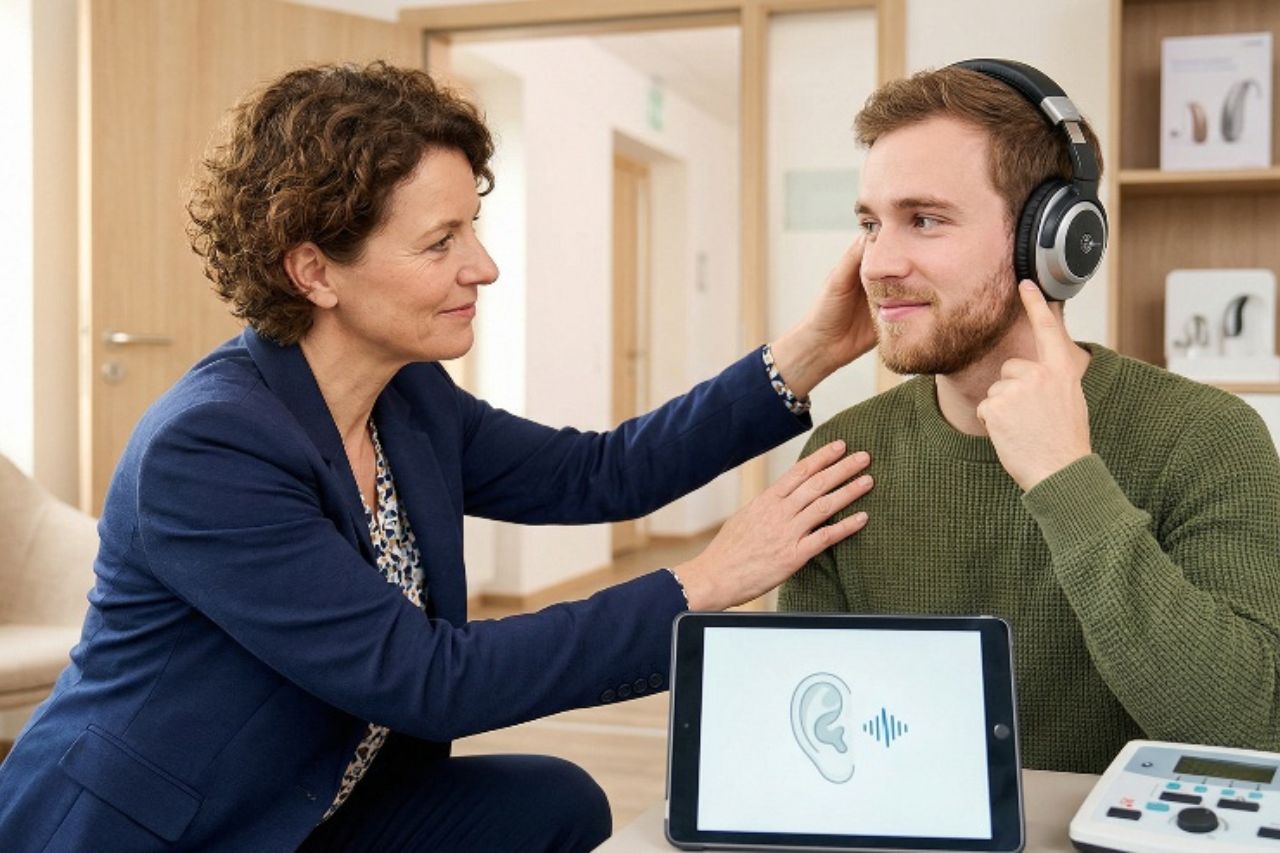
A hearing test for tinnitus is the most effective way to identify underlying causes of ear ringing and begin targeted treatment. Early diagnosis improves outcomes, prevents further hearing damage, and supports long-term auditory health.
Tinnitus, often experienced as ringing, buzzing, or hissing in the ears, affects millions of people and can significantly impact daily life. While it may seem like a minor issue at first, tinnitus is usually a symptom of an underlying hearing condition rather than a standalone problem. This is why a professional hearing test plays a critical role in early diagnosis. By evaluating how your ears respond to different frequencies and sound levels, a hearing test helps detect hidden hearing loss and identify the root cause of tinnitus, making it the first step toward effective treatment and long-term hearing care.
What Is a Hearing Test for Tinnitus?
A hearing test for tinnitus is a diagnostic evaluation conducted by an audiologist to measure hearing ability and identify underlying causes of ear ringing. It analyzes sound perception across frequencies and helps detect hearing loss, auditory damage, or medical conditions contributing to tinnitus.Understanding Tinnitus: More Than Just Ringing
Tinnitus is not a disease but a neurological and auditory response to changes within the hearing system. It can develop gradually due to prolonged noise exposure or suddenly due to injury, infection, or stress-related factors. In many cases, individuals delay seeking help because symptoms appear mild. However, research shows that a large percentage of tinnitus cases are linked to hearing loss. When the brain receives reduced auditory input, it compensates by generating phantom sounds, which are perceived as tinnitus. This makes early evaluation through a hearing test essential not only to diagnose the issue but also to prevent it from worsening over time.Why a Hearing Test Is Critical for Tinnitus Diagnosis
A hearing test provides a detailed analysis of how your auditory system functions. Without this step, tinnitus treatment often becomes generalized rather than targeted. A comprehensive hearing evaluation helps to:- Detect early-stage or hidden hearing loss
- Identify the frequency range where tinnitus occurs
- Reveal underlying causes such as cochlear damage or blockages
- Establish a baseline for long-term hearing monitoring
Types of Hearing Tests Used in Tinnitus Evaluation
Diagnosing tinnitus involves multiple tests that assess different parts of the auditory system. Each test contributes to a complete understanding of your hearing health.Common Hearing Tests Include:
- Pure Tone Audiometry
- Speech Audiometry
- Tympanometry
- Otoacoustic Emissions (OAE)
- Acoustic Reflex Testing
- Auditory Brainstem Response (ABR)
The Role of Audiologists in Tinnitus Management
Audiologists are trained hearing specialists who play a central role in diagnosing and managing tinnitus. Their expertise ensures that treatment is based on clinical evidence rather than assumptions.Key Responsibilities Include:
- Conducting comprehensive hearing assessments
- Identifying the root cause of tinnitus
- Developing personalized treatment plans
- Fitting and optimizing hearing aids when required
- Providing sound therapy and masking solutions
- Offering counseling to manage stress and anxiety
- Monitoring progress and adjusting treatment over time
- Educating patients on prevention and lifestyle changes
Effective Treatment Options After a Hearing Test
Once a hearing test identifies the cause of tinnitus, treatment becomes more precise and effective. Instead of generic solutions, audiologists recommend tailored strategies based on your condition.Common Treatment Options Include:
- Hearing Aids
- Sound Therapy
- Tinnitus Retraining Therapy (TRT)
- Cognitive Behavioral Therapy (CBT)
- White Noise Devices
- Medical Treatment or Earwax Removal
- Lifestyle Modifications
- Reduce exposure to loud noise
- Manage stress effectively
- Improve sleep quality
- Limit caffeine and alcohol
- Hearing Protection Devices
- Regular Follow-Ups
Why Early Hearing Tests Make a Difference
Early diagnosis significantly improves tinnitus management outcomes. When hearing issues are identified at an early stage, treatment becomes simpler and more effective. Delaying a hearing test can lead to worsening symptoms, increased stress, and reduced quality of life. In contrast, proactive care helps preserve hearing ability and supports long-term cognitive and emotional well-being.When Should You Consider a Hearing Test?
- You should consider booking a hearing test if you experience:
- Persistent or occasional ringing in the ears
- Difficulty understanding conversations
- Frequently increasing volume levels
- Sensitivity to certain sounds
- Pressure or discomfort in the ears
Why Choose Welfast Hearing?
At Welfast Hearing, patients receive care from experienced audiologists using advanced diagnostic technology. Every hearing test is designed to provide accurate results and personalized treatment recommendations. With a patient-focused approach and ongoing support, Welfast Hearing ensures that individuals receive the guidance and care needed to manage tinnitus effectively.Conclusion
Tinnitus can affect your daily life, but the right approach makes it manageable. A professional hearing test for tinnitus provides the clarity needed to identify the cause and begin effective treatment. Early diagnosis not only improves outcomes but also helps protect your long-term hearing health.FAQs
Can a hearing test diagnose tinnitus? A hearing test identifies the underlying causes of tinnitus but does not directly measure the sound itself. Is tinnitus always caused by hearing loss? Most cases are linked to hearing loss, but other medical factors may also contribute. How long does a hearing test take? Typically between 20 and 45 minutes. Is a hearing test painful? No, it is completely safe and non-invasive.