
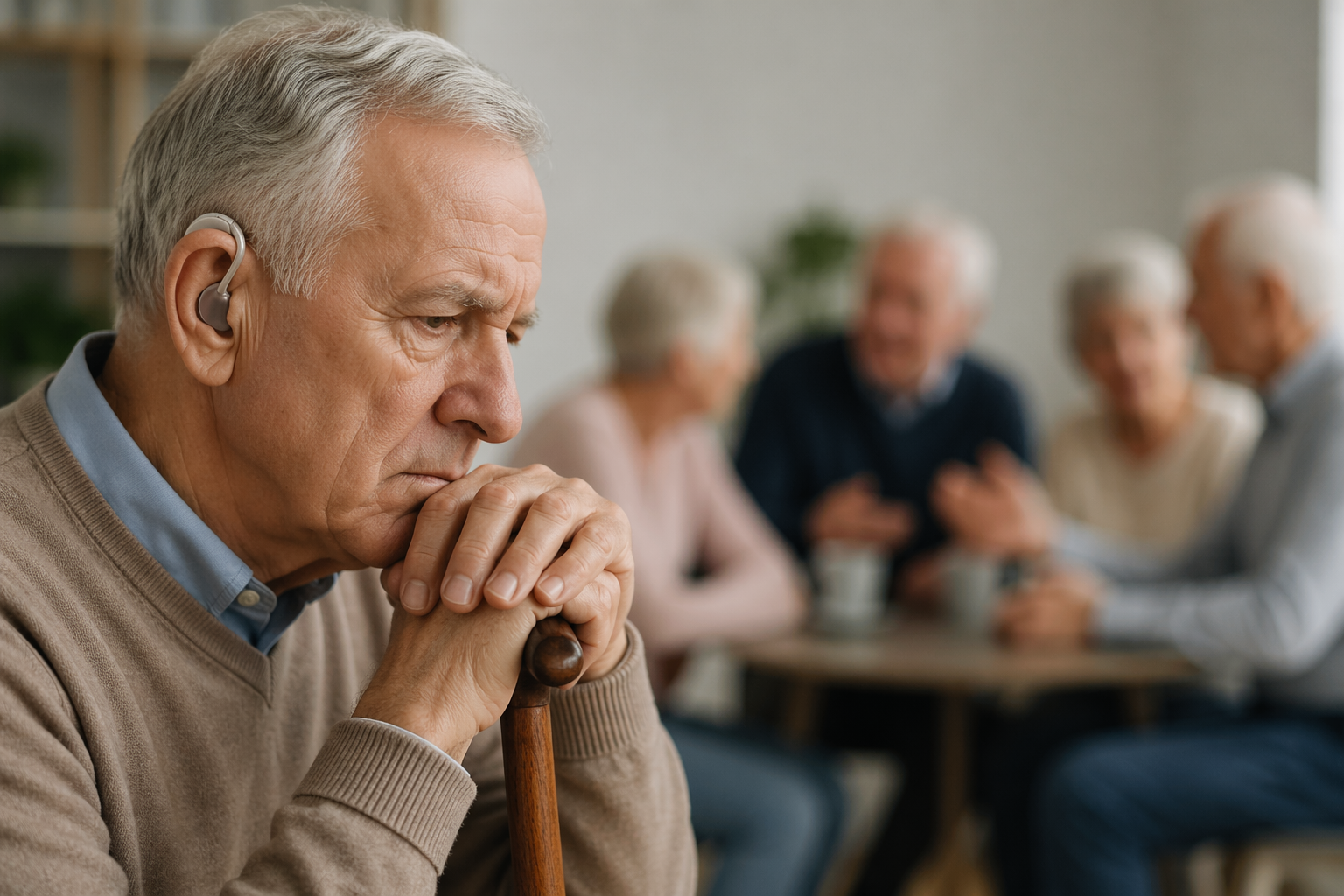
Understanding Hearing Loss in Older Adults
Age-related hearing loss, or presbycusis, develops slowly and often goes unnoticed in its early stages. It typically affects the ability to hear high-frequency sounds, making speech less clear especially in noisy environments.
Common Causes of Hearing Loss
Natural ageing processLong-term exposure to loud noiseMedical conditions such as diabetes or hypertensionEar infections or damage to the inner ear
Early Warning Signs
Difficulty understanding speech in crowded placesAsking people to repeat frequentlyIncreasing volume on TV or mobile devicesTrouble hearing high-pitched voicesIgnoring these early signs can allow the condition to worsen, making communication increasingly difficult.
How Hearing Loss Leads to Social Isolation
Hearing loss creates a barrier to effective communication. As conversations require more effort, they often become exhausting rather than enjoyable.
Communication Challenges
Difficulty following group discussionsMissing parts of conversationsTrouble hearing in noisy environmentsFear of misunderstanding others
The Emotional and Psychological Impact
Social isolation is not just about being alone—it has deeper emotional consequences that can affect overall health.
Mental Health Effects
Loneliness and emotional distressIncreased anxiety in conversationsLoss of confidence and independenceHigher risk of depression
The Link Between Hearing Loss and Cognitive Decline
Recent studies have shown a strong association between untreated hearing loss and cognitive decline in older adults. When the brain receives less auditory input, it has to work harder to process sounds, which can affect memory and thinking abilities.
Key Insights
Reduced hearing limits brain stimulation Social withdrawal decreases mental engagement Increased cognitive load affects memory retention
Why Seniors Often Delay Hearing Care
Despite noticeable symptoms, many older adults delay seeking treatment. This delay is often influenced by:Belief thathearing loss is “normal” with ageSocial stigma around wearing hearing aidsLack of awareness about modern solutionsConcerns about cost or accessibility
The Importance of Early Hearing Tests
A professional hearing test is essential for identifying hearing issues and determining the right course of action.
Benefits of Early Detection
Effective Treatment Options
Managing hearing loss has become easier with advancements in technology and treatment approaches.
Common Treatment Solutions
Benefits of Treatment
How Hearing Aids Help Prevent Social Isolation
Modern hearing aids are designed to enhance speech while minimizing background noise, making conversations clearer and more natural.
Key Advantages
The Role of Family and Caregivers
Support from family members is crucial in helping seniors manage hearing loss effectively.
Ways to Provide Support
Practical Tips to Stay Socially Connected
Maintaining social interaction is essential, even with hearing loss. Small adjustments can make a big difference.
Conclusion
Hearing loss in older adults is more than just a sensory issue it has a direct impact on social interaction, emotional health, and overall quality of life. When left untreated, it can lead to isolation, loneliness, and reduced confidence. However, with early detection, proper care, and the right support, this cycle can be prevented. Taking proactive steps toward better hearing health allows seniors to stay connected, engaged, and confident in their daily lives. With expert guidance and personalized care from providers like Welfast Hearing, older adults can maintain meaningful relationships and enjoy a more active, fulfilling lifestyle.