
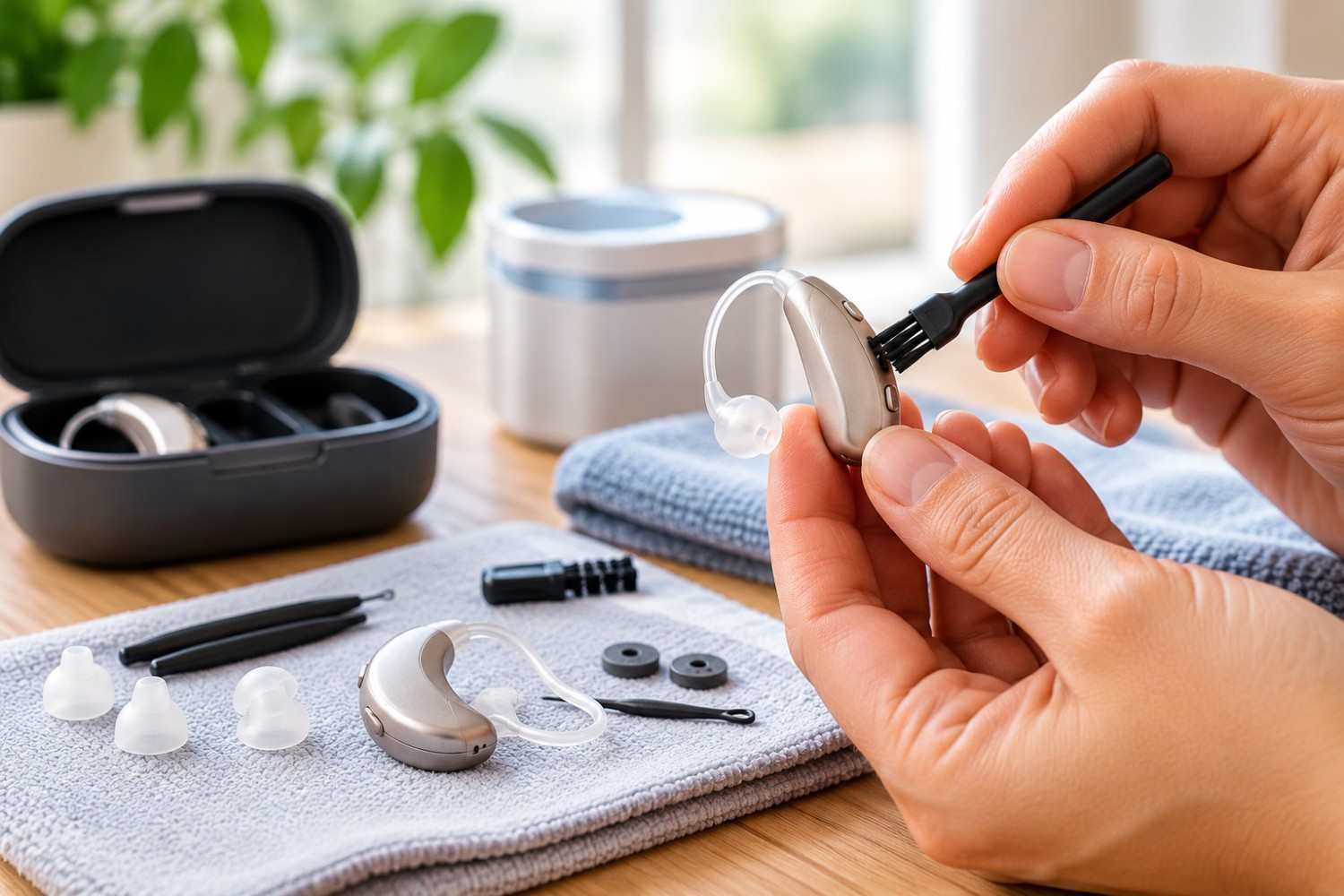
Your hearing aids help you stay connected to conversations, family moments, and the sounds you enjoy every day. But like any precision device, they need regular care to perform at their best. Even a small build-up of earwax, moisture, or dust can affect sound quality and reduce their lifespan. If you’ve recently started wearing hearing aids or you’ve noticed changes in their performance—understanding the basics of hearing aid maintenance can make a significant difference. Simple daily habits can help prevent unnecessary repairs, improve comfort, and keep your devices working reliably. Whether you’re looking for practical hearing aid maintenance in Australia, advice on hearing aid cleaning Australia, or expert guidance on hearing aid care , this guide explains everything you need to know. You’ll also learn when it’s time to seek professional support from an experienced audiologist in Bateau Bay.
What Is Hearing Aid Maintenance?
Hearing aid maintenance is the routine care that keeps your devices clean, protected, and working efficiently. It includes daily cleaning, proper storage, moisture protection, battery or charging care, and regular professional servicing. Consistent maintenance improves sound quality, extends the life of your hearing aids, and helps prevent avoidable repairs.
Why Is Recurring Ear Wax Buildup So Common?
● Clean your hearing aids every day to remove earwax, dust, and moisture.
● Store them in a cool, dry place when not in use.
● Avoid water, household cleaning products, and extreme heat.
● Schedule regular professional maintenance to keep your devices performing at their best.
● Good hearing aid maintenance helps improve sound quality, reliability, and long-term value
Why Does Proper Hearing Aid Maintenance Matter More Than Most People Realise?
moisture, dust, and changing temperatures every day. Over time, these factors can reduce sound quality and affect overall performance if regular care is overlooked.
Good hearing aid maintenance isn’t just about keeping your devices clean it helps protect your investment. Modern hearing aids are sophisticated pieces of technology, and with the right care, they can provide reliable hearing support for many years.
For people living in Bateau Bay and other coastal areas of Australia, humidity and salt in the air can also affect hearing aids. Taking a few simple precautions each day can help minimise moisture-related problems and reduce the need for repairs.
According to current hearing healthcare practices, regular cleaning and professional servicing improve device reliability while supporting better hearing outcomes. A few minutes of daily care can often prevent costly maintenance issues later.
How Does Daily Care Improve Hearing Aid Performance?
Your hearing aids collect tiny particles throughout the day. Earwax, skin cells, and dust can block microphones or speakers, making sounds seem quieter or distorted.
A simple daily cleaning routine helps:
● Maintain clear, natural sound quality
● Reduce unwanted whistling or feedback
● Prevent earwax from blocking sound outlets
● Improve wearing comfort
● Extend the lifespan of your hearing aids
Many users only clean their hearing aids when they notice a problem. By then, the build-up may already be affecting performance. Preventive care is always the better approach.
What Should Be Included in Your Everyday Hearing Aid Care Routine?
Morning Checklist Before Wearing Your Hearing Aids
Before inserting your hearing aids each morning, take a moment to inspect them.
Check for:
● Visible earwax around the receiver
● Dust or lint covering the microphone openings
● Moisture from overnight storage
● Battery or charging status
● Any visible cracks or damage
If something doesn’t look right, clean the device before wearing it rather than waiting until sound quality changes.
Evening Cleaning Routine
At the end of each day, your hearing aids should be cleaned before being stored.
1. Wipe the outer surface using a soft, dry cloth.
2. Remove visible earwax with the cleaning brush provided by your audiologist.
3. Clean microphone openings carefully without pushing wax further inside.
4. Check tubing or domes for blockages.
5. Store hearing aids safely overnight.
Avoid using tissues that leave fibres behind, as these can block sensitive components.
Weekly Maintenance Habits
Daily cleaning is essential, but weekly maintenance provides an extra level of protection.
Once a week:
● Replace wax guards if recommended.
● Inspect tubing for signs of wear.
● Clean charging contacts.
● Check rechargeable batteries for normal performance.
● Examine earmoulds for cracks or hardening.
These small checks often identify problems before they become expensive repairs.
Which Cleaning Mistakes Can Permanently Damage Hearing Aids?
Many hearing aid problems are caused by well-intentioned cleaning methods.
Some common mistakes include:
Using Water
Hearing aids are moisture-resistant, not waterproof. Running them under a tap or using wet wipes can damage delicate electronic components.
Instead, use dry cleaning tools designed specifically for hearing aids.
Using Household Cleaning Products
Alcohol sprays, disinfectants, bleach, and general-purpose cleaners may leave chemical residue or damage protective coatings.
Always use products recommended by your audiologist.
Ignoring Earwax Build-up
Earwax is one of the most common causes of hearing aid issues.
When wax blocks microphones or receivers, users often think the hearing aid has stopped working. In many cases, a professional clean quickly restores normal performance.
If you regularly experience excess earwax, speak with your hearing healthcare provider about safe earwax management rather than attempting to remove deep wax yourself.
Hearing Aid Maintenance Myths vs Facts
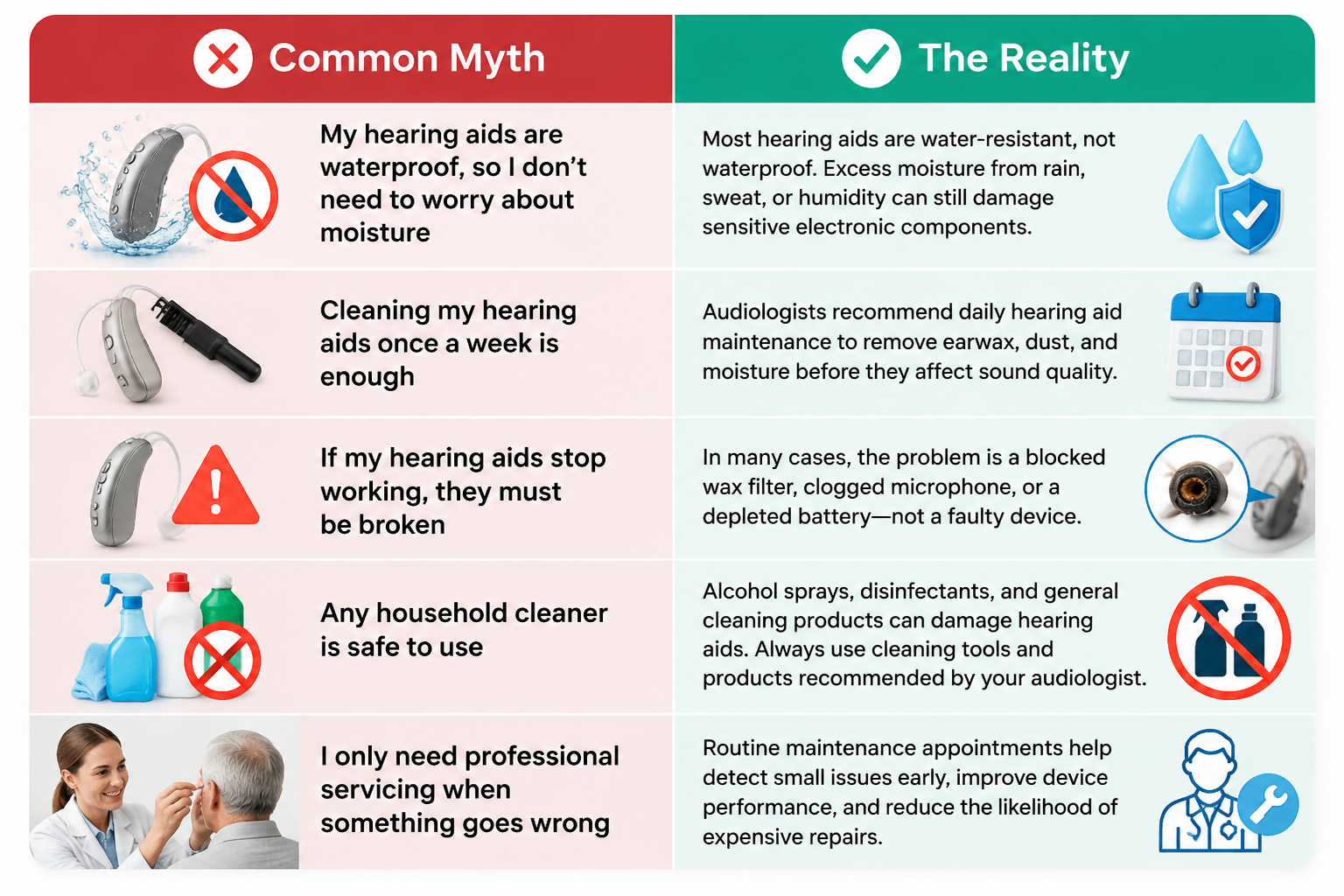
Misinformation about hearing aid care is common, especially among first-time users. Believing these myths can reduce your hearing aid’s performance, shorten its lifespan, and even lead to avoidable repairs. Understanding the facts helps you protect your hearing devices and enjoy consistent sound quality.
Expert Advice
One of the biggest misconceptions is that hearing aids only need attention when they stop working. In reality, regular hearing aid maintenance is preventive care. Spending just a few minutes each day cleaning and storing your hearing aids correctly can help maintain clear sound, improve reliability, and extend the life of your devices.
Expert Tip from an Audiologist
Many people wait until their hearing aids stop working before cleaning them.
A better approach is to make cleaning part of your daily routine just like brushing your teeth or cleaning your glasses.
Consistent hearing aid maintenance reduces unexpected problems, helps preserve sound quality, and gives you greater confidence that your devices will perform when you need them most.
How Should You Store Your Hearing Aids to Keep Them Working Like New?
Cleaning your hearing aids is only half the job. Proper storage is just as important. Incorrect storage can expose your devices to moisture, heat, dust, or accidental damage, all of which can affect performance and shorten their lifespan.
Whether you use rechargeable or battery-powered hearing aids, developing good storage habits helps ensure they are ready to perform every morning.
Choose a Cool, Dry Storage Location
Always store your hearing aids in a clean, dry place away from direct sunlight.
Avoid leaving them:
● On a bathroom countertop
● Near kitchen sinks
● Inside a parked car
● Close to heaters or radiators
● In humid laundry areas
People living in Bateau Bay and other coastal parts of Australia should pay extra attention to moisture, as higher humidity levels may affect sensitive electronic components over time.
Use a Protective Storage Case
When your hearing aids are not being worn, place them in their protective case. A storage case helps protect against:
● Dust
● Accidental drops
● Pets and young children
● Physical damage during travel
If you frequently travel, consider using a hard-shell hearing aid case for additional protection.
Caring for Rechargeable Hearing Aids
Rechargeable hearing aids have become increasingly popular because they are convenient and environmentally friendly.
To keep them performing well:
● Charge them every night unless your audiologist advises otherwise.
● Keep charging contacts clean and free from dust.
● Use only the manufacturer’s approved charger.
● Avoid unplugging the charger repeatedly during charging cycles.
Following these simple habits can improve battery efficiency and overall device reliability.
Can Australia’s Climate Affect Your Hearing Aids?
Yes. Australia’s climate can influence hearing aid performance, especially in coastal regions.
Humidity, sweat, dust, and sudden temperature changes may allow moisture to collect inside hearing aids. Over time, this can reduce sound quality or damage internal electronics.
Practical Tips for Australian Conditions
● Remove hearing aids before swimming or showering.
● Wipe away perspiration after outdoor activities.
● Use a hearing aid drying cup or drying box if recommended.
● Never leave hearing aids in direct sunlight or inside a hot vehicle.
These precautions are especially useful during warmer months when humidity levels are higher.
How Often Should an Audiologist Service Your Hearing Aids?
Daily care at home is important, but professional servicing plays an equally important role in hearing aid maintenance.
Audiologists recommend routine maintenance visits because specialised equipment can detect issues that may not be visible during everyday cleaning.
A professional appointment may include:
● Deep cleaning of microphones and receivers
● Wax filter replacement
● Performance testing
● Software updates (if applicable)
● Battery and charging system inspection
● Device programming adjustments
Regular servicing helps maintain consistent sound quality while identifying potential problems before they become expensive repairs.
Signs Your Hearing Aids Need Professional Attention
Book an appointment if you notice:
● Reduced sound clarity
● Intermittent sound
● Whistling that wasn’t present before
● Rapid battery drain
● Physical cracks or loose components
● Distorted or muffled hearing
Ignoring these signs may lead to further damage or reduced hearing performance.
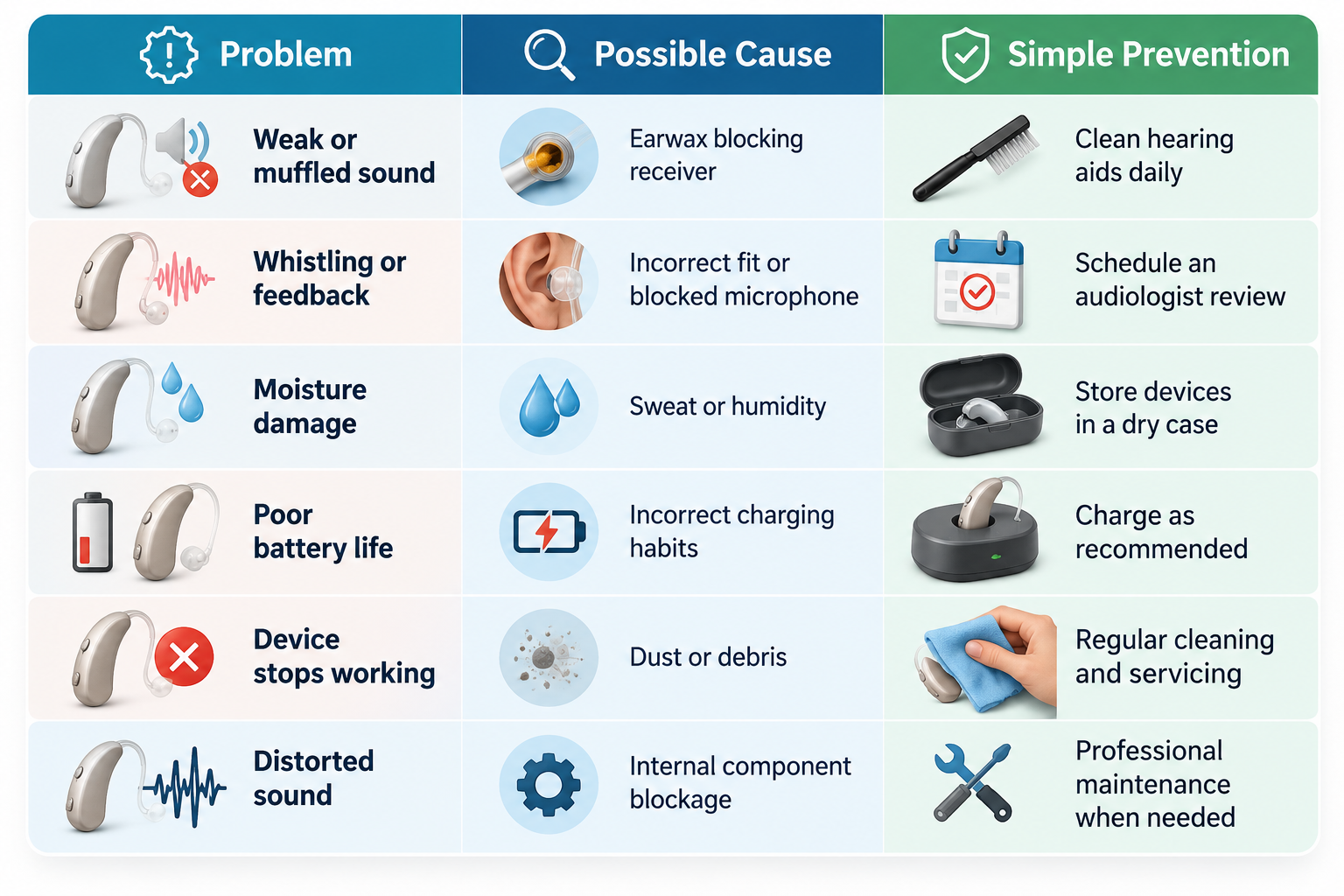
What Common Hearing Aid Problems Can You Prevent?
Many hearing aid issues are preventable with proper daily care.
Expert Maintenance Checklist
Following a simple routine can help protect your investment.
Every Day
✔ Wipe hearing aids with a soft, dry cloth.
✔ Check for earwax build-up. ✔ Inspect microphones and receivers.
✔ Store devices safely overnight.
Every Week
✔ Replace wax guards if required.
✔ Clean charging contacts.
✔ Inspect tubing and domes.
✔ Check battery or charging performance.
Every 6–12 Months
✔ Schedule professional servicing.
✔ Have hearing aids professionally cleaned.
✔ Review hearing aid settings.
✔ Arrange a hearing assessment if your hearing has changed.
Expert Insight
Based on current hearing healthcare practices, hearing aids that receive consistent care generally perform more reliably and require fewer unexpected repairs.
Professional hearing aid care Australia isn’t only about fixing problems—it focuses on preventing them. Combining good daily habits with regular audiologist visits gives you the best chance of enjoying clear, comfortable hearing every day.
Conclusion
Your hearing aids play an important role in helping you stay connected with the people and sounds that matter most. Looking after them doesn’t require complicated routines—just a few minutes of daily care can make a significant difference.
Regular hearing aid maintenance improves sound quality, helps reduce avoidable repairs, and supports the long-term performance of your devices. From daily cleaning and proper storage to professional servicing, every small step contributes to better hearing health.
If you’re looking for trusted hearing aid maintenance in Australia, professional hearing aid cleaning , or personalised hearing aid care , the experienced team at Welfast Hearing is here to help.
Whether you need routine maintenance, expert advice, or a comprehensive hearing assessment in Bateau Bay, we’re committed to helping you hear with confidence.
Book your appointment with Welfast Hearing today and keep your hearing aids performing at their best.
FAQs
How often should I clean my hearing aids?
You should clean your hearing aids every day after removing them. Daily cleaning removes earwax, dust, and moisture, helping maintain sound quality and reduce the risk of damage.
Can I use water to clean my hearing aids?
No. Hearing aids should never be cleaned with running water or soaked in liquid. Instead, use a soft, dry cloth and the cleaning tools recommended by your audiologist.
How often should hearing aids be professionally serviced?
Most audiologists recommend professional servicing every 6 to 12 months. Regular maintenance helps identify minor issues before they become costly repairs and ensures your hearing aids continue performing efficiently.
Does Australia's climate affect hearing aids?
Yes. Australia's warm weather, humidity, and coastal environments can expose hearing aids to excess moisture. Proper storage and regular cleaning help protect the delicate electronic components.
How can I make my hearing aids last longer?
Consistent hearing aid maintenance, safe storage, daily cleaning, and regular professional servicing all help extend the lifespan of your hearing aids while maintaining reliable sound quality.
Why do my hearing aids sound weaker than usual?
Reduced sound quality is often caused by earwax blocking the receiver or microphone. Cleaning the device may resolve the issue. If the problem continues, schedule an appointment with your audiologist.
Should rechargeable hearing aids be charged every night?
Yes. Most manufacturers recommend placing rechargeable hearing aids in their charging station overnight so they are fully powered for the next day.