
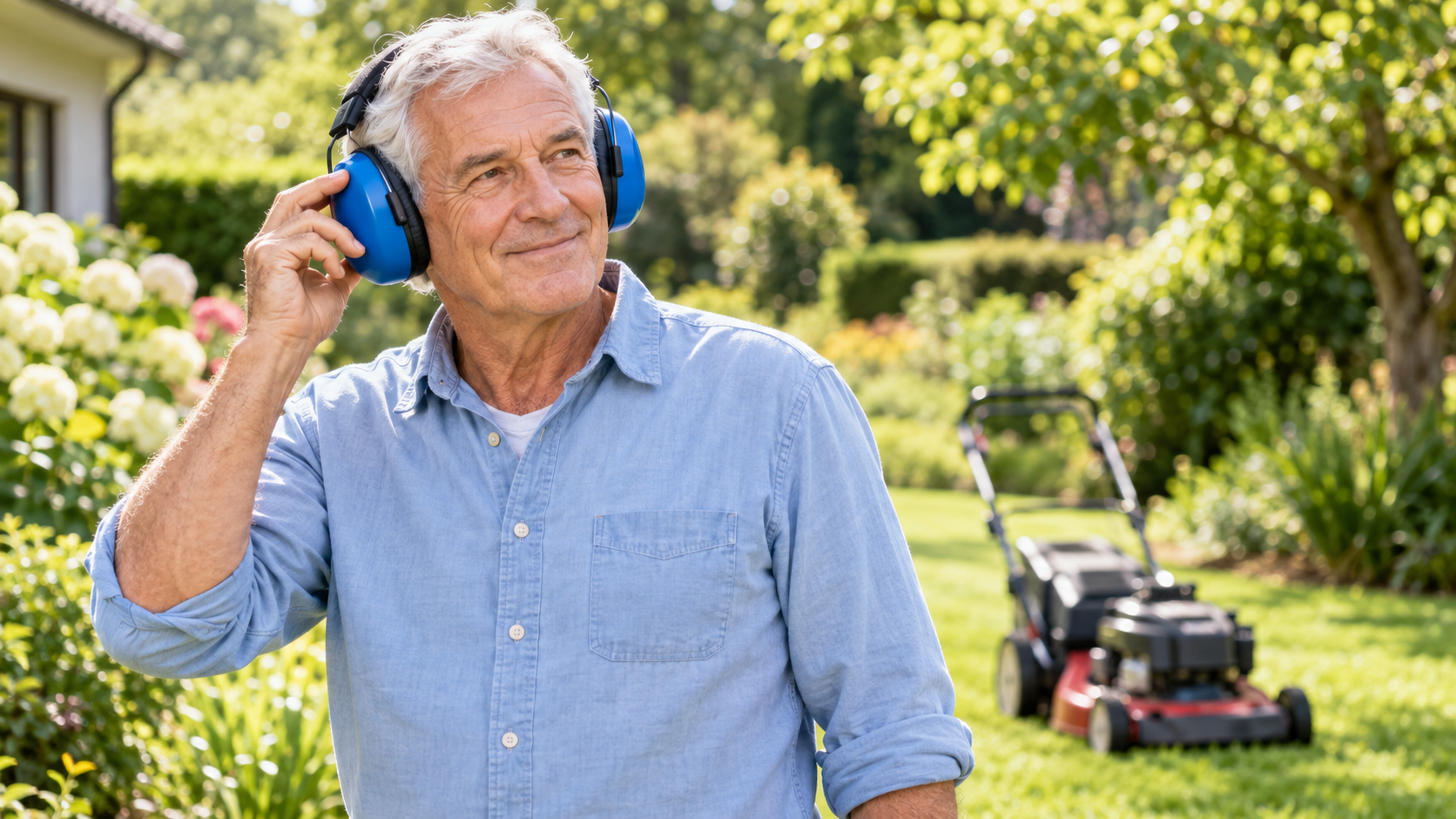
Hearing changes can become more noticeable with age, but getting older does not mean you have to accept every form of hearing damage as unavoidable. While age-related hearing loss cannot always be prevented, protecting your ears from excessive noise can help reduce the risk of additional noise-related damage.
For older adults, good hearing protection is about more than wearing earplugs. It also means managing how loud a sound is, how long you are exposed to it, and how often you encounter noisy environments. Taking these simple steps can help protect hearing and support better communication in everyday life.
Why Is Hearing Protection Important for Older Adults?
Long or repeated exposure to loud sounds can damage sensitive structures in the inner ear and contribute to permanent noise-induced hearing loss. Loud noise can also cause or worsen tinnitus, such as ringing or buzzing in the ears.
Older adults may already be experiencing age-related changes in hearing, so reducing avoidable noise exposure is an important part of maintaining hearing health.
Common sources of potentially excessive noise include:
● Power tools and lawn equipment
● Loud music and concerts
● Sporting events
● Traffic and machinery
● Fireworks
● Television, headphones or personal audio devices used at high volumes
● Noisy hobbies and household equipment
Sudden hearing loss, particularly in one ear or when accompanied by dizziness or other concerning symptoms, requires prompt medical assessment rather than waiting for a routine hearing appointment.
7 Ways Older Adults Can Protect Their Hearing
1. Wear Hearing Protection Around Loud Noise
Earplugs and earmuffs can reduce the amount of sound reaching the ears. Choose hearing protection that fits comfortably and use it correctly whenever you expect significant noise exposure.
For activities such as gardening, using power tools or attending loud events, keeping appropriate ear protection readily available can make it easier to develop a consistent habit.
2. Reduce the Volume
If you use headphones, televisions or personal audio devices, avoid unnecessarily high volume levels. The World Health Organization recommends keeping personal-device volume below around 60% of maximum and monitoring sound exposure where possible.
3. Limit How Long You Stay Around Loud Sounds
Hearing risk depends on both sound intensity and exposure time. The louder the environment, the less time you should spend exposed to it.
As a general safe-listening reference, the World Health Organization recommends limiting exposure at an average sound level of 80 dB to no more than 40 hours per week. At 90 dB, the recommended exposure time falls to approximately four hours per week. Individual exposure and hearing risk can vary.
Taking regular breaks in quieter surroundings gives your ears time away from excessive noise.
4. Move Away From the Noise Source
Distance can make a meaningful difference. When attending a concert, sporting event or other noisy gathering, avoid standing directly beside speakers or other major noise sources.
At home, consider moving away from operating machinery or noisy equipment whenever possible.
5. Don’t Ignore Ringing or Muffled Hearing
Temporary ringing, muffled hearing or difficulty understanding speech after loud noise can be a warning that your ears have been exposed to excessive sound.
Persistent tinnitus or difficulty hearing conversations, particularly in noisy environments, should not simply be dismissed as part of ageing. These can be signs that a hearing assessment may be appropriate.
6. Avoid Putting Objects Into Your Ears
Hearing protection does not mean regularly cleaning inside your ears with cotton buds or other objects. Putting objects into the ear canal can cause injury and other ear problems.
If you experience blocked ears, discomfort or suspected earwax buildup, professional assessment is safer than attempting to remove it yourself.
7. Have Your Hearing Checked When Changes Occur
Hearing protection and hearing assessments work together. If you notice that conversations are becoming harder to follow, you frequently ask people to repeat themselves, increase the television volume or struggle to hear in noisy places, consider having your hearing assessed.
A hearing assessment can help identify changes in hearing and determine whether further hearing care may be appropriate.
What Is the Best Hearing Protection for Older Adults?
There is no single type of hearing protection that is best for everyone.
Earplugs can be convenient for everyday noise exposure, while earmuffs may be easier for some people to put on and remove. Custom hearing protection may also be an option depending on the activity and individual needs.
The important consideration is choosing suitable protection for the noise environment and using it correctly.
Hearing Protection Across the Central Coast
Older adults across the Central Coast and Lake Macquarie may encounter noise from home maintenance, gardening, recreational activities, traffic and community events. Taking practical precautions can help reduce unnecessary noise exposure.
If you are in Morisset, Bateau Bay, Central Mangrove, West Gosford, Woongarrah or surrounding Central Coast areas and have noticed changes in your hearing, professional hearing care can help you understand what is happening and what steps may be appropriate.
Conclusion
Protecting your hearing becomes especially important as you get older. Reducing exposure to loud sounds, using suitable hearing protection, keeping listening volumes reasonable and taking regular breaks from noisy environments can all support better hearing health.
However, hearing protection is only one part of looking after your ears. If you have noticed changes in how you hear or communicate, a professional hearing assessment can help identify those changes and guide the next steps.
For older adults across the Central Coast and Lake Macquarie, Welfast Hearing provides independent hearing care, including comprehensive hearing tests and personalised hearing support. Taking action early can help you stay connected to the conversations, people and everyday sounds that matter most.
FAQs
Can hearing protection prevent age-related hearing loss?
Hearing protection cannot stop normal age-related changes in hearing, but reducing excessive noise exposure can help prevent or reduce avoidable noise-related hearing damage.
Should seniors wear earplugs or earmuffs?
Both can provide hearing protection. The most suitable option depends on the type and level of noise, comfort, fit and the activity involved.
Can loud noise make tinnitus worse?
Yes. Loud or prolonged noise exposure can contribute to tinnitus and may aggravate symptoms in some people. Persistent or troublesome tinnitus should be discussed with a qualified hearing professional.
When should an older adult have a hearing test?
A hearing assessment may be appropriate if you notice difficulty following conversations, frequently ask people to repeat themselves, turn the television up more than usual, struggle in noisy environments or experience persistent tinnitus.